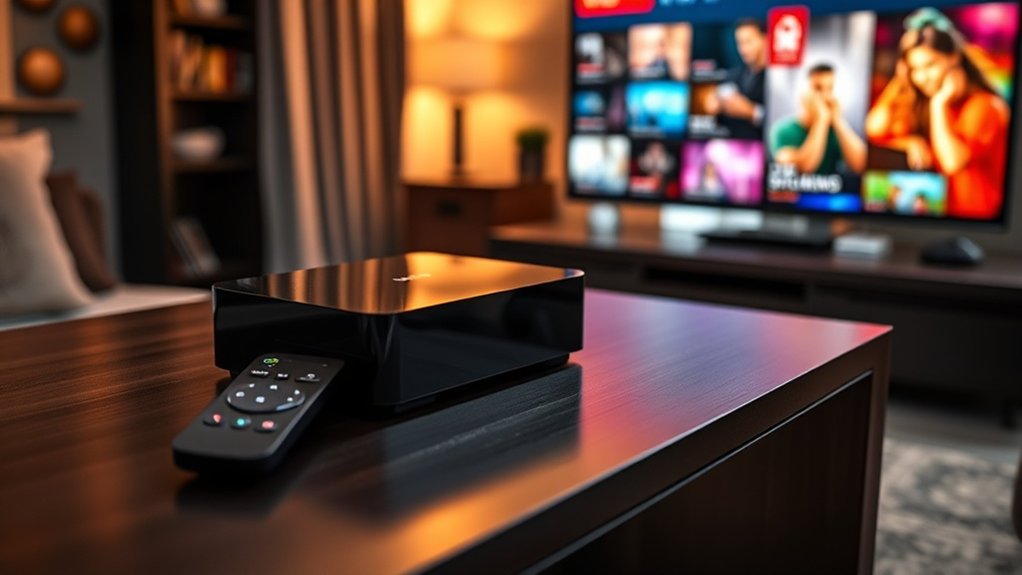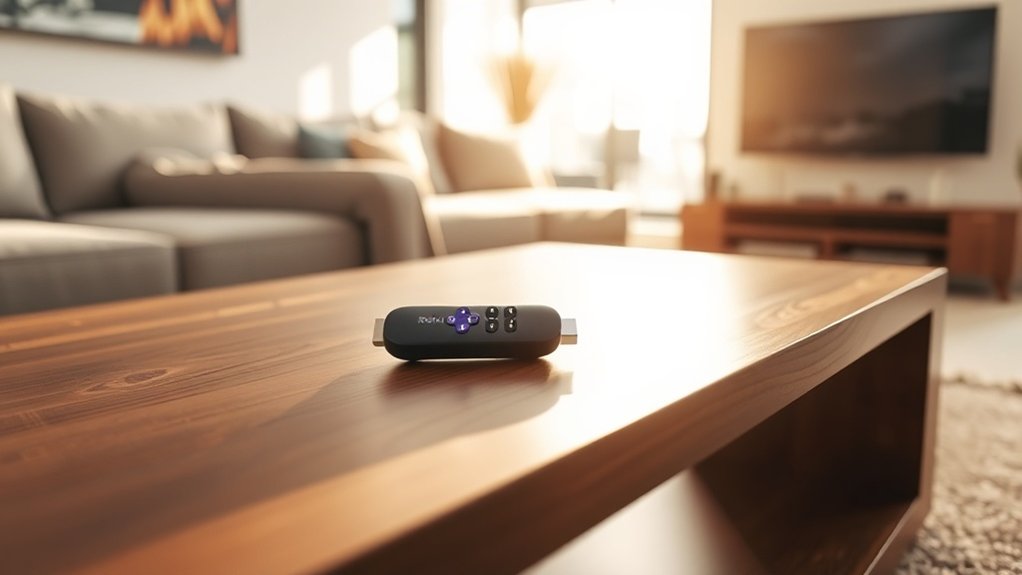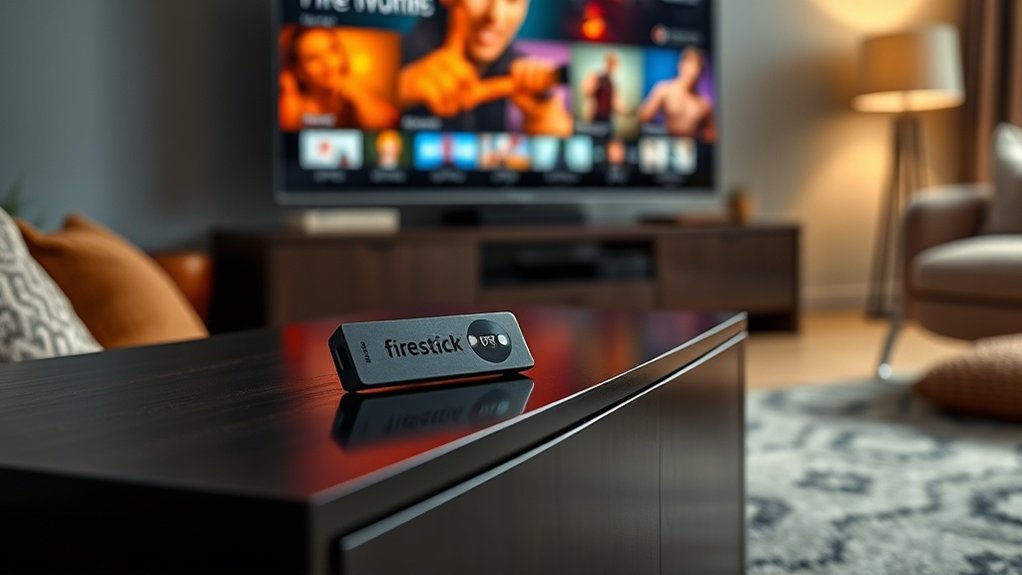

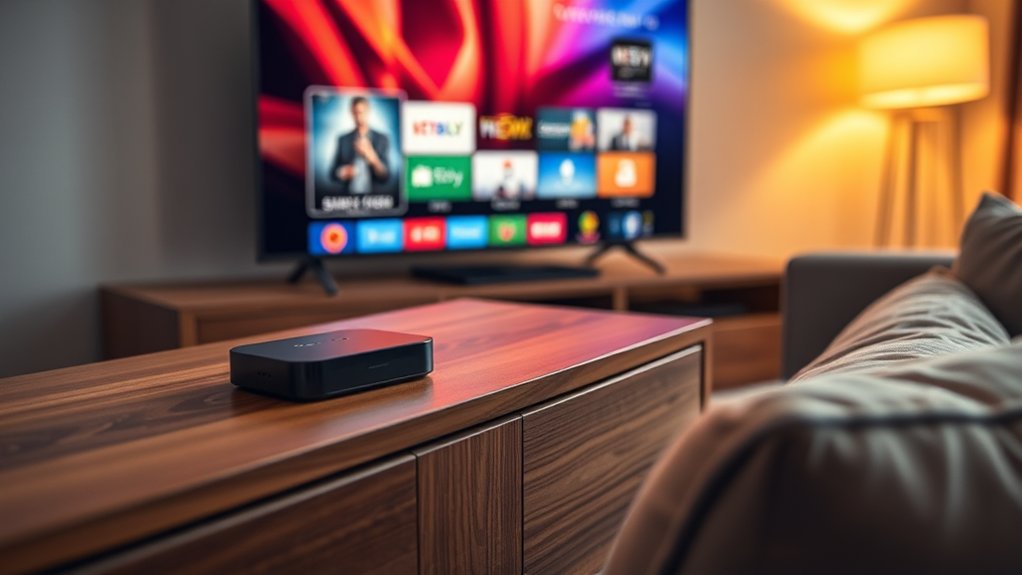
Choosing a streaming device over a smart TV can really improve your viewing game. Streaming devices typically process video faster, reducing lag and buffering, which means smoother app launches and navigation. They additionally offer access to a broader range of content and frequent updates that keep your experience fresh. Plus, they’re compact and affordable, making it easy to upgrade without breaking the bank. Curious about how these devices can elevate your entertainment even more?
Key Highlights
- Streaming devices offer faster performance and smoother navigation than many smart TVs, thanks to their powerful processors.
- They provide access to a wider range of apps and content, enhancing the overall viewing experience.
- Frequent updates ensure better performance and access to the latest features without needing to replace your TV.
- Streaming devices are budget-friendly, typically costing between $30 and $150, avoiding the high expense of a new smart TV.
- Their portability allows easy travel and compatibility with various TVs, transforming older models into modern streaming devices effortlessly.
Performance and Responsiveness
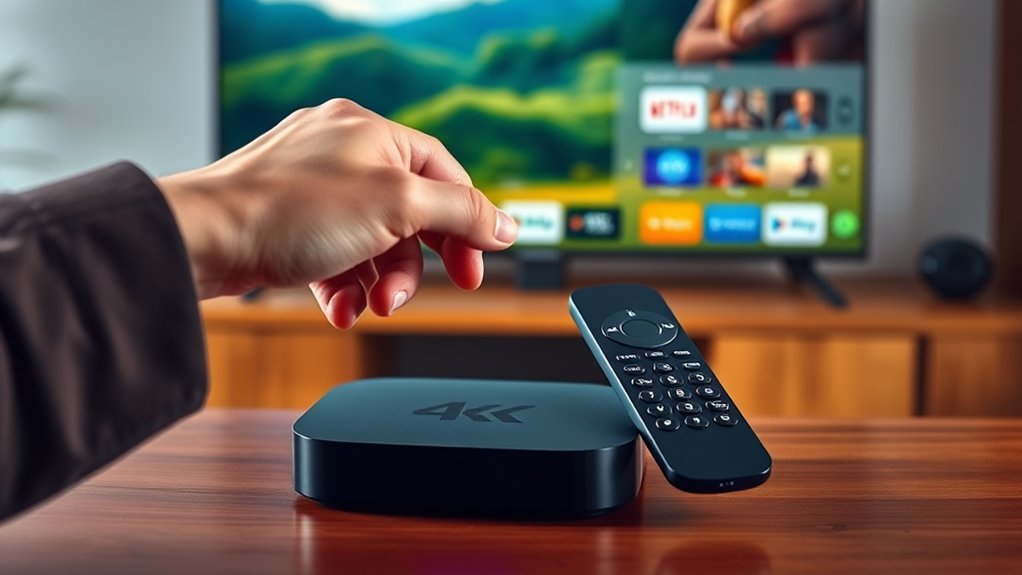
When you immerse yourself in the world of streaming devices versus smart TVs, you mightn’t realize just how essential performance and responsiveness are until you experience the difference firsthand.
Streaming devices usually boast more powerful processors, designed particularly for video decoding, resulting in quicker app launches and smoother navigation. Bandwidth efficiency is also improved with dedicated streaming devices, allowing for a better quality viewing experience without excessive data usage. Additionally, smart TV models can vary in their hardware efficiency, leading to inconsistencies in performance across different brands and price ranges.
Streaming devices often feature robust processors for video decoding, ensuring faster app launches and seamless navigation.
Keep in mind that feeling when you click on an app and wait—way too long? Smart TVs often suffer from slower menus because of less optimized hardware.
Plus, frequent firmware updates on streaming devices keep everything running at top speed, reducing buffering and lag. It’s like choosing between a sports car and a family sedan; one just handles better.
Ecosystem Integration and Features
In today’s tech-savvy world, investigating ecosystem integration and features can feel like wandering through a digital jungle, but you’ll unearth that the clarity it brings to your streaming experience is invaluable.
Streaming devices excel in compatibility, working effortlessly with multiple brands and platforms—imagine controlling your lights and TV with just your voice! Unlike smart TVs, which often stumble with proprietary operating systems, streaming devices like Apple TV offer consistent updates that keep your experience fresh and fluid. This adaptability ensures that streaming boxes, such as the Homatics Dongle G 4K, provide ultra-high-definition 4K streaming and smart home integration. Additionally, streaming devices often provide access to a wider range of programming than smart TVs.
With extensive app libraries and synchronized user profiles, you can easily access all your favorites without losing track. Ever tried maneuvering fragmented apps on a smart TV? It can be a hassle, making streaming devices a smarter choice for unified ease and flexibility.
Cost Efficiency and Upgradability
During diving into the world of streaming options, it’s hard not to notice the cost efficiency and upgradability that streaming devices bring to the table.
For starters, these devices typically range from $30 to $150, making them much more budget-friendly than the several hundred dollars you’d spend on a smart TV.
Furthermore, by upgrading your old TV with a streaming device, you avoid the hefty cost of a full replacement.
These devices not only extend your TV’s lifespan by keeping its features current with frequent updates, but they additionally allow you to swap them out easily when new tech arrives.
With their superior processing power, they often provide a faster and more responsive viewing experience compared to many built-in TV options.
Why buy a whole new TV when you can just upgrade the brain? It’s like giving your TV a second life!
Portability and Flexibility
Portability and flexibility are two of the standout features that set streaming devices apart from traditional smart TVs, and you might be surprised at how much these small gadgets can improve your viewing experience.
Unlike bulky smart TVs, streaming devices are compact and lightweight, making it a breeze to transport them between rooms or even different homes. Want to catch up on your favorite shows during traveling? Just plug your device into any compatible HDMI port, and voilà!
Plus, they can breathe new life into older TVs, transforming them into streaming powerhouses without any complicated installations. Since they don’t tie you to any brand ecosystem, you can mix and match devices, enjoying both convenience and variety.
Who wouldn’t want that?
App Availability and Content Access
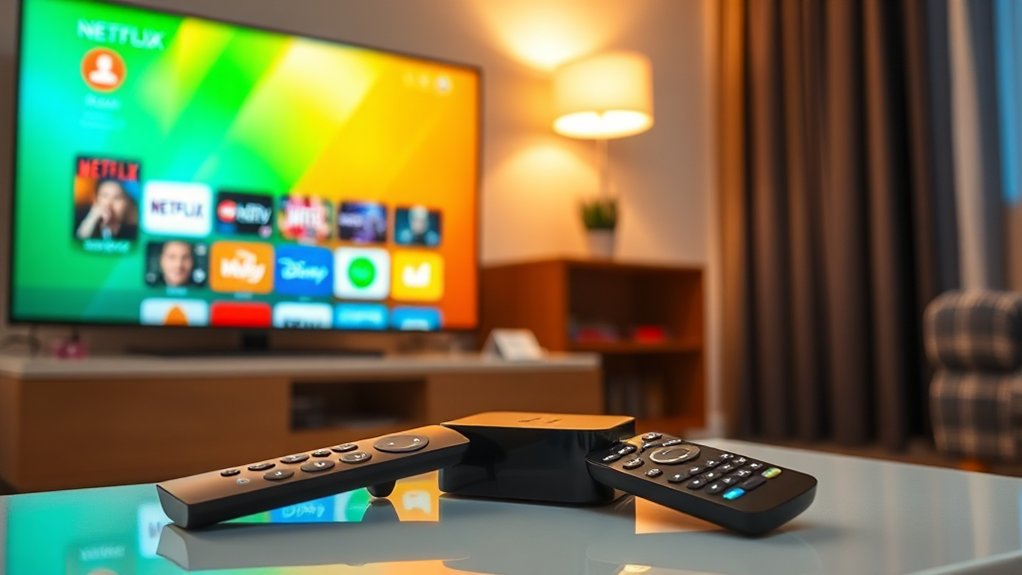
When you think about how you access your favorite shows and movies, you might realize that the app availability and content access can vary considerably between streaming devices and smart TVs.
Streaming devices typically boast access to thousands of apps, including those niche favorites you mightn’t find on a smart TV, which often only supports popular services like Netflix or Hulu.
Plus, these devices frequently update their app ecosystems, so you get fresh content instead of stale offerings. Ever tried maneuvering a slow, outdated app on an older smart TV? Frustrating, right?
Streaming devices not only respond faster but additionally let you switch between services effortlessly, making it easier to tailor your viewing experience to your preferences, whatever they may be!
Frequently Asked Questions
Can Streaming Devices Support Gaming Applications?
Yes, streaming devices can support gaming applications. You can play Android TV games, connect your controllers, and even access cloud gaming services, ensuring an enjoyable gaming experience with optimized performance and frequent updates for compatibility.
How Do Streaming Devices Handle Multiple User Profiles?
Streaming devices let you create and manage multiple user profiles easily. You can personalize recommendations, viewing history, and settings for each family member, ensuring everyone enjoys a tailored streaming experience without interference from others.
Are There Parental Controls Available on Streaming Devices?
Yes, streaming devices offer strong parental controls like content filtering, time limits, and app management. You can easily customize settings to protect your children, ensuring their viewing experience is both safe and age-appropriate.
How Do I Set up a Streaming Device?
To set up your streaming device, plug it into an HDMI port, connect to power using the AC adapter, turn on your TV, switch to the correct HDMI input, and follow on-screen prompts for configuration.
What Is the Best Streaming Device for Live Sports?
For live sports, the Nvidia Shield TV stands out with its 4K streaming and low latency. Google TV and Roku likewise offer great experiences, ensuring you catch every moment without interruption. Choose based on your priorities!